Territorial economic development proposal · Independencia municipality, Anzoátegui
The abattoir as an organising system
The abattoir as the hub organising the municipality’s livestock, industrial and commercial chain. Its operating capacity, legal status and sanitary conditions must be verified before any decision.
Conceptual illustration: it does not depict existing facilities.
Organising system
From rancher to consumer
The abattoir connects producers with industry and markets, and generates data to plan the whole chain.
- RancherBreeding and health
- ReceivingPermit, weight, inspection
- SlaughterSafe processing
- Cold and cutsAdded value
- By-productsHides, meals, tallow
- MarketsLocal, national, export
- ConsumerTraceable product
Digital management
Management system (ERP) modules
Proposal for the minimum modules to operate with traceability and transparency. The specific software would be chosen in the design phase.
01
Receiving and traceability
Record of each animal: origin, permit, weight and health status.
02
Production
Slaughter orders, yields and process control.
03
Quality and safety
Inspection, laboratory analysis and batch release.
04
Inventory and cold
Stock by batch, temperature and expiry dates.
05
Sales and dispatch
Orders, invoicing and dispatch notes.
06
Maintenance
Preventive plan for equipment and facilities.
07
Finance
Cost per kilo, producer payments and reports.
08
Indicators
Management dashboard for decision-making.
Uses of artificial intelligence
Possible applications once reliable operating data exist:
- Forecasting cattle arrivals to plan shifts and cold storage.
- Early detection of equipment failures from sensor data.
- Optimising cuts according to each market’s demand.
- Temperature alerts across the cold chain.
Conceptual proposal
Business model
Several revenue sources are proposed, whose viability must be shown in a feasibility study:
- Slaughter service for producers (fee per animal).
- Sale of carcasses and cuts.
- Use of by-products.
- Cold storage and logistics services to third parties.
Pending validation
Project status
| Aspect | Status |
|---|---|
| Infrastructure and equipment assessment | Pending validation |
| Legal and ownership status | Pending validation |
| Sanitary and environmental permits | Pending validation |
| Slaughter capacity | Pending validation |
| Feasibility study | Pending validation |
| Management model | Conceptual proposal |
Proposed next steps
Assessment
Survey the real situation.
- Technical inspection
- Legal review
Feasibility
Define investment and model.
- Market study
- Financial plan
Get involved
Express your interest in this project
Producers, businesses, technicians and investors can leave their details. It is not a commitment by either party.
Form connected to Wakoo: every submission is stored in the site’s form inbox and notified to the configured administrative email. Personal data are only used to reply and are never published.
Portfolio
Other strategic projects
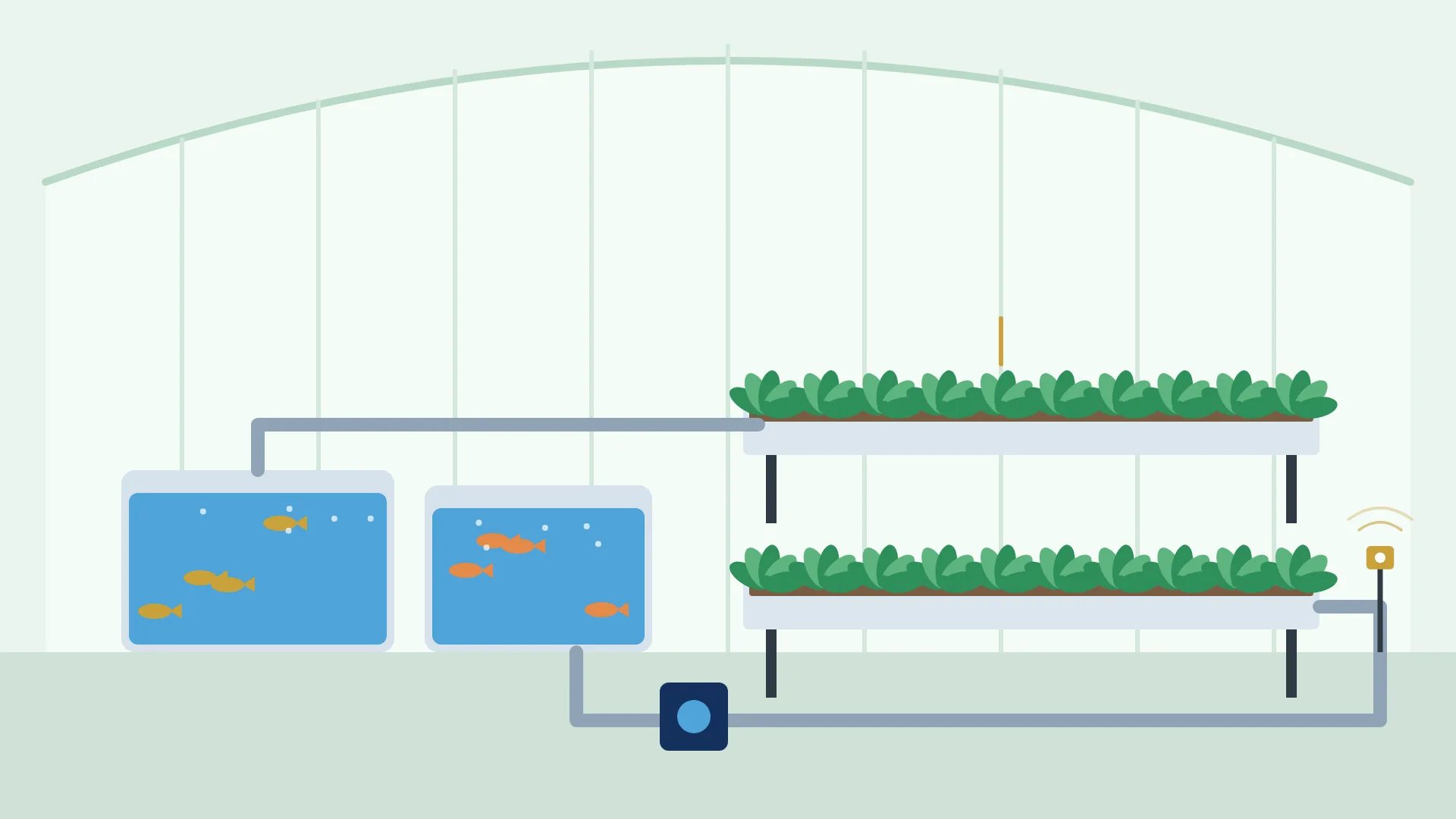
Pilot modules that combine fish and vegetable crops in a recirculating water loop.
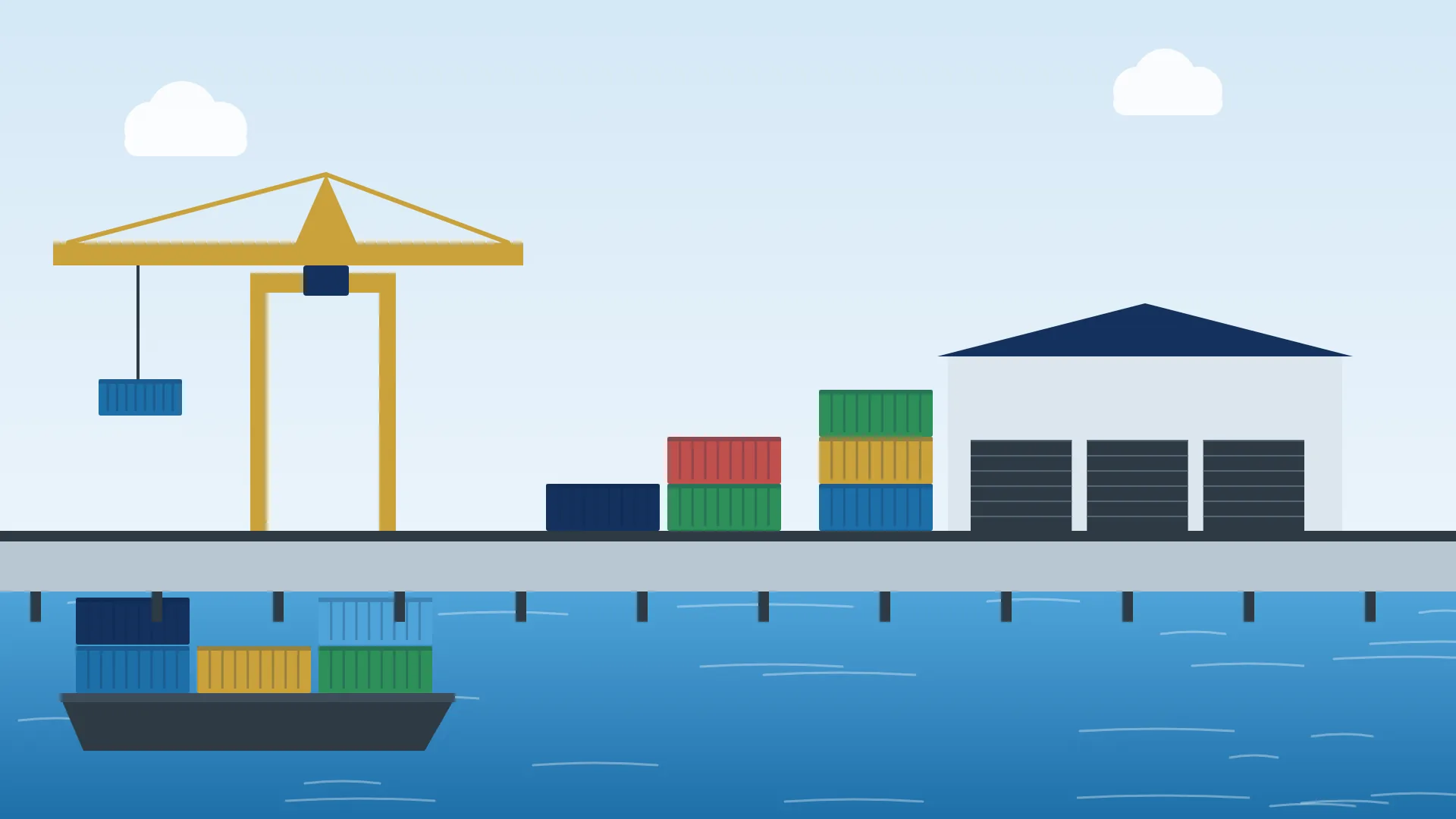
Assessment of the river’s potential to move agro-industrial cargo, with the corresponding navigability studies and permits.
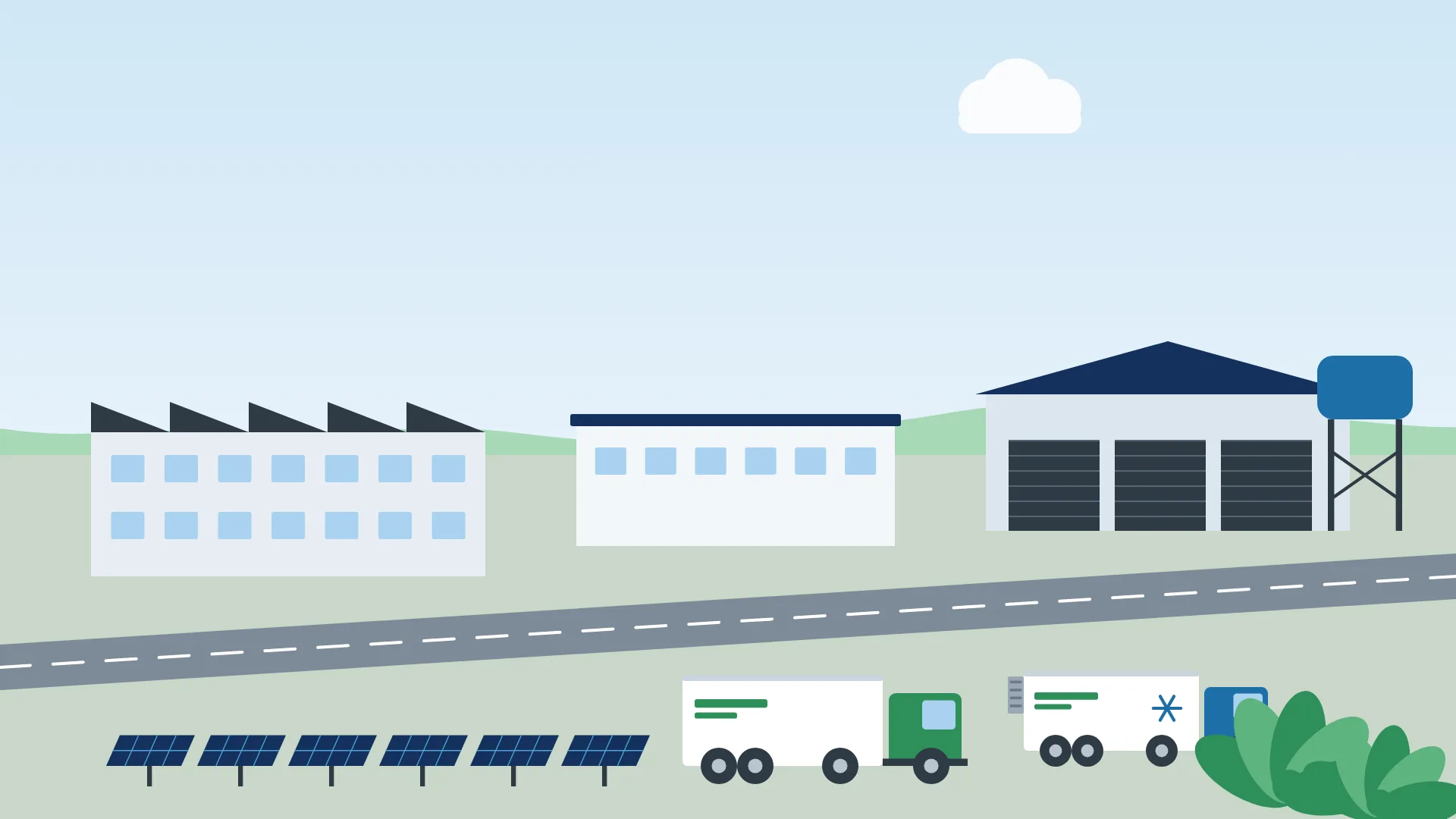
Concept for a site with shared water, energy, cold storage, logistics and maintenance services.